The image economy
Getty files for bankruptcy. Which photos will people still pay for?
A prompt can now do the job of a stock-image search. Getty’s debt crisis sharpens the question of what still makes a photograph worth licensing.
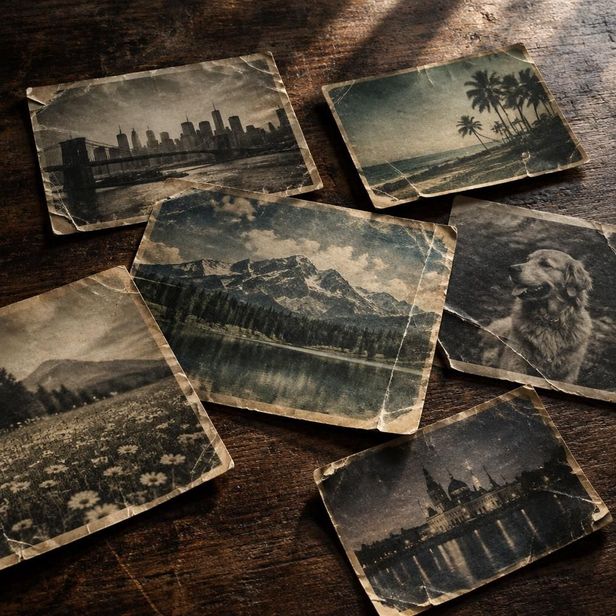
Getty Images, one of the world’s largest photo-licensing companies, filed for Chapter 11 bankruptcy protection in Delaware on October 21. Its prepackaged restructuring plan would cut debt, take the company private and bring in up to $533 million from the Getty family and Koch Equity Development. Getty says operations and payments to photographers will continue uninterrupted. Meanwhile, the product it licenses—an existing image—faces a competitor that can generate a new one on demand.
Getty entered bankruptcy with $1.46 billion in debt and about $20 million in cash, Reuters reported. Roughly $200 million in judgments from investor lawsuits added to the strain. The collapse of its multibillion-dollar merger with Shutterstock was another blow. Yet Getty’s 2025 revenue hit a record $981.3 million, up 4.5% from the previous year. Almost a billion dollars in annual sales, and still in bankruptcy. The company’s finances explain this filing better than a story about photographers being replaced overnight by AI.
AI’s impact becomes clearer when a customer chooses the next image. Stock photography offered a cheaper alternative to commissioning a shoot. A generator lets the buyer skip the shoot and the stock library. For briefs such as “happy office team,” “person with laptop” or “the digital future,” a generated illustration may do the job. Neon brains and serenely smiling office workers are tired clichés, but that rarely stops anyone. The ability to produce them from a rough prompt makes a hefty licensing fee harder to justify. Getty itself lists generative imagery and changing customer behavior among the risks to demand for its content.
Industry figures were arguing about this long before the bankruptcy. In a 2024 Wall Street Journal report, photographer Tony Northrup said stock photography was disappearing: “AI is ending it for the remaining photographers who figured out how to stay profitable.” Paul Hennessy, then Shutterstock’s CEO, said the company saw no widespread customer appetite for buying and using generated images. Rebecca Swift, Getty’s head of creative, pointed to continuing demand for real photographs of current events and new technologies. Getty’s bankruptcy gives that old debate fresh urgency.
“AI is ending it for the remaining photographers who figured out how to stay profitable.” — Tony Northrup, The Wall Street Journal, 2024
A more sharply divided market looks likely. Generic advertising images have an expanding range of substitutes. A news photograph has something generation cannot supply: it records an event that happened. A synthetic image of a winning goal cannot replace a photograph of the goal itself; a convincing historical scene does not become archival evidence. News, sports and archive photography retain a distinct value. Agencies competing for those customers will depend increasingly on access to events, verifiable provenance and trust.
Getty is also trying to make money from generation. Its financial reporting describes AI tools trained on content used with rights holders’ permission, with commercial usage rights and contractual protection against claims. The offer bundles an image, clear terms of use and legal protection. That matters to corporate buyers. Photographers have another question: how much of the package’s value reaches the people whose work made it possible?
Photographers’ earnings were under pressure long before today’s generators arrived. In the same WSJ report, photographer Pete Saloutos described payments for the use of his photographs falling from as much as $2,000 to two cents as online libraries expanded and supply ballooned. AI adds an almost limitless supply of often repetitive imagery to an already crowded market. More downloads and more images used do not automatically mean more income for photographers. Getty’s promise to keep paying contributors during the restructuring covers its current obligations. Demand for their next photographs will still have to be won.
Getty’s bankruptcy shows how vulnerable even an enormous photo archive can be under a mountain of debt. Generators put further pressure on the part of the business where any suitable image will do. There are still compelling reasons to pay for licensed photography: evidence of a real event, rare access, verifiable provenance and legal guarantees. Stock agencies will have to make a stronger case for each. Simply having the right file in the catalog will make it harder and harder to command the old fees.
Imagerly.Ai · No. 32 · October 2026